
Every child belongs. Every child is expected to achieve.
At Warkworth Church of England Primary School, inclusion means children being fully part of their school: learning alongside their peers, building friendships, taking responsibility and sharing in the opportunities that make childhood memorable.
Our Christian belief in the worth of every person shapes this commitment. Guided by Love, Peace and Courage, we combine a loving, nurturing environment with exceptionally high expectations. We want every child to achieve well academically and to grow in confidence, independence and character.
A child’s circumstances or additional needs should never become a ceiling on our ambition for them.
A broad understanding of inclusion
Children may need additional support for many different reasons. Some have special educational needs or disabilities. Others may be experiencing bereavement, anxiety, illness, financial hardship, changes at home or disruption to their education.
We recognise the experiences of children who are in care or have previously been in care, children living with relatives or special guardians, young carers, service families, and families receiving support from other professionals. Difficulties with attendance can also signal barriers that need to be understood and addressed.
Some needs are longstanding; others arise unexpectedly or last for a short time. They may affect learning, communication, health, relationships, emotional wellbeing or participation.
We take time to understand each child’s strengths, experiences and needs. We listen to children and families, identify difficulties early and review support as circumstances change. Families do not need to wait for a diagnosis or a crisis before speaking to us.
High expectations, carefully matched support
Every child is entitled to excellent teaching and an ambitious education.
Through the Warkworth Way, teachers explain clearly, model new learning, teach vocabulary explicitly and check understanding carefully. They adapt teaching and provide additional practice, resources or specialist support where needed, while maintaining challenge.
We expect children to work hard, develop their understanding and take pride in their achievements. We also hold ourselves responsible for providing the teaching, adjustments and care that make this possible.
Children have different starting points and may need different approaches or individual goals. We remain ambitious about their progress, including when they need substantial or continuing support.
What inclusion looks like
Once a child or young person is identified as having a special educational need, a graduated approach to support is taken. The child or young person’s needs will first be assessed, then support will be planned, carried out and then reviewed. At the review, any necessary changes will be made.
We are particularly proud when a child who struggled with speech in Early Years finds the courage to speak at a school event, or when a child who previously found it difficult to manage their emotions is learning successfully in class alongside their peers.
These achievements reflect children’s determination, strong relationships and carefully planned support.
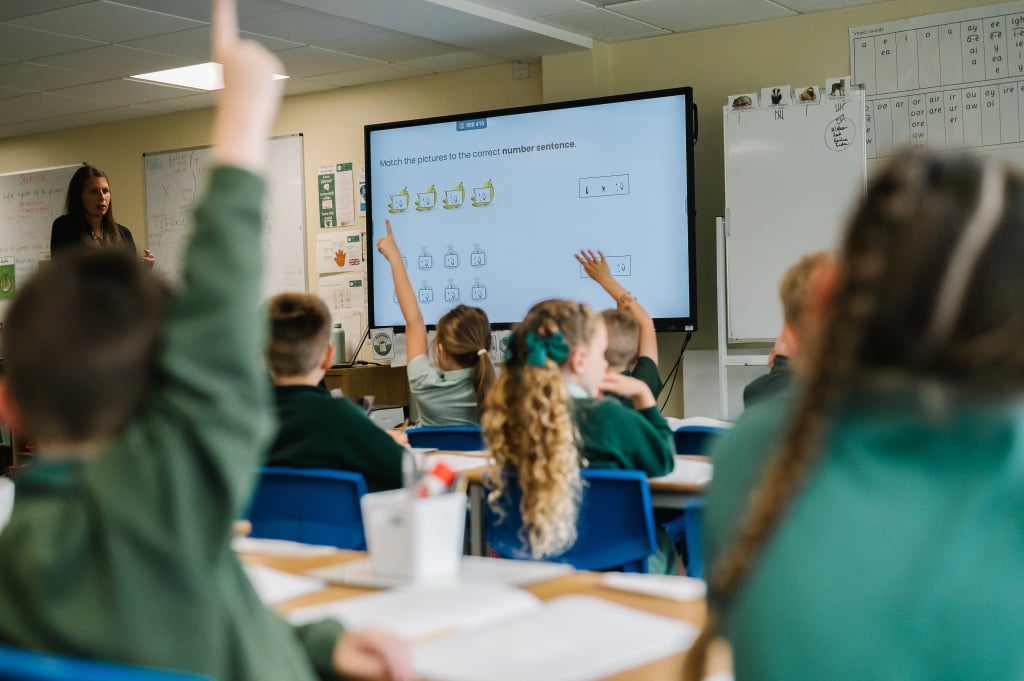
Often, inclusion is evident in the everyday life of the school: children joining discussions, tackling challenging work, playing with friends and contributing confidently, with the support they need woven into their day.
We judge that support by what it enables children to learn, achieve and experience. We look beyond whether a child appears settled to understand their wellbeing, sense of belonging and growing independence.
Taking part in school life
Our ambition extends across the whole school experience.
Children facing barriers should have meaningful opportunities to take part in visits, outdoor learning, sport, performances, clubs and leadership. We plan adjustments and support so that these experiences are accessible.
We work with families to understand practical obstacles, including costs, medical needs, confidence and attendance. We want children to discover strengths, accept challenges and contribute to their community.
Working together
Parents and carers know their children well. Their knowledge is central to understanding what is working and what needs to change.
Staff work together, and with relevant professionals, to coordinate teaching, pastoral care, medical support and safeguarding. We review children’s learning, attendance, wellbeing and participation to check that support is making a difference.
If something is affecting your child’s experience of school, please speak to their class teacher or contact the school office. We would rather begin a conversation early.
Dignity, respect and safety
Our Christian welcome extends to children and families of all faiths and none. Everyone in our community should be treated with dignity and respect.
We challenge bullying, discrimination and prejudiced language, including racist, sexist, disability-related, homophobic, biphobic and transphobic abuse. Children should never be made to feel ashamed of their family or background.
We teach children to treat others with kindness and respect, including people whose beliefs or experiences differ from their own. Concerns are taken seriously, acted upon and followed up.

Special Educational Needs and Disabilities
High expectations and the right support for every child.
Children with special educational needs and disabilities are fully part of our school community. We are ambitious for their learning, friendships, independence and participation in school life.
Our approach begins with excellent classroom teaching, early identification of needs and close partnership with children and their families.
Understanding your child’s needs
A child has special educational needs when a learning difficulty or disability means they require educational provision that is additional to, or different from, that generally provided for children of the same age.
Needs may relate to communication and interaction; cognition and learning; social, emotional and mental health; or sensory and physical development. Children may need support across several areas.
A child can achieve highly and still have special educational needs. A disabled child may need reasonable adjustments without having SEN. We also support medical needs whether or not a child has SEN.
Support is based on the child’s needs and does not depend on having a diagnosis or an Education, Health and Care Plan (EHCP).
How we provide support
The class teacher remains responsible for your child’s learning and progress, supported by our Special Educational Needs Coordinator (SENCo).
We adapt teaching, make reasonable adjustments and provide targeted or specialist support where needed. We plan for access to the curriculum and participation in visits, clubs and wider school activities.
We follow an Assess, Plan, Do, Review cycle: understanding needs, agreeing outcomes and support, putting that support into practice, and reviewing its impact with you and your child.
Planning and reviewing support
We use two types of school support plan:
- Individual Support Plan: records needs, outcomes, teaching approaches, adjustments and additional support coordinated through the class teacher, with SENCo guidance.
- Specialist Support Plan: coordinates provision where needs are complex, several professionals are involved, or an EHCP is in place or being considered.
Children receive the plan appropriate to their circumstances. These school plans do not replace an EHCP or reduce the provision specified within one.
We review support plans with parents at least three times a year, and sooner when necessary. Reviews consider learning, wellbeing, communication, independence and participation.
Talking to us
If you have concerns about your child’s learning or development, please speak to their class teacher. Our SENCo can also be contacted through the school office.
We will listen, explain the next steps and work with you to understand what your child needs.